Milky White Base for French: Everything to Know About Using It
A value-focused review showing how Milky White works as a soft French base and fine-line art background for beginners.
Looking for a reliable milky white base for french that makes soft tips and fine-line designs look effortless?
What you get: a creamy, flexible base that brightens without shouting
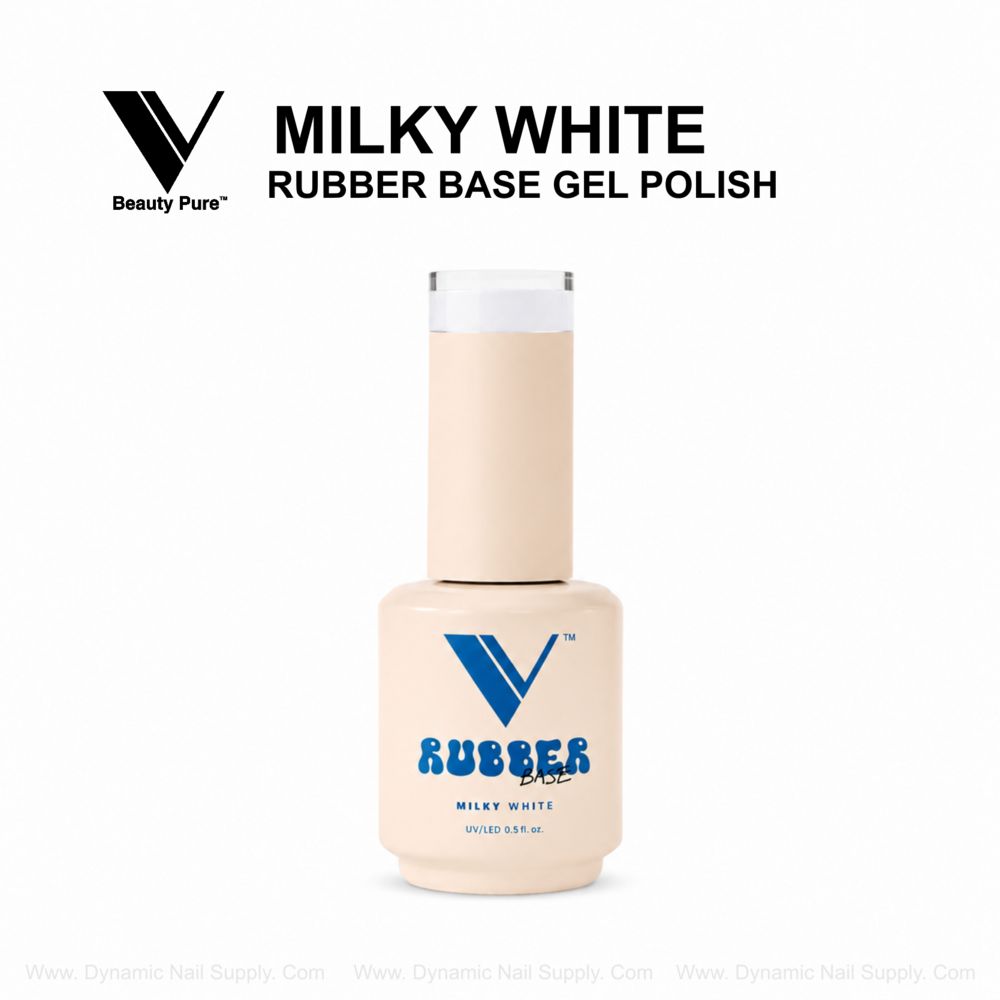
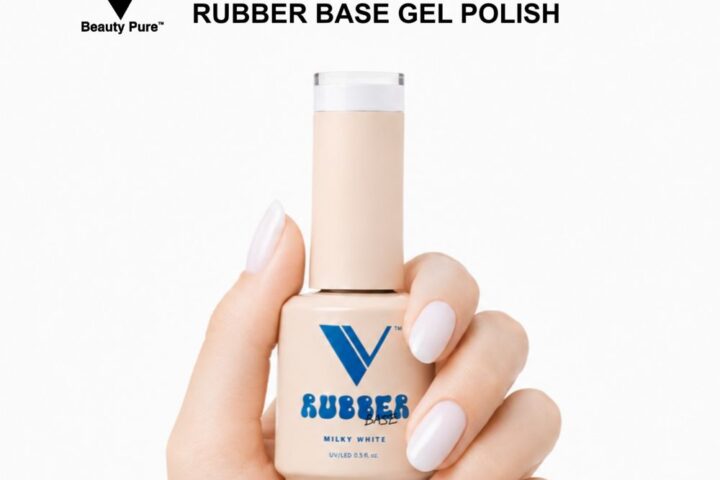
We treat Milky White as a dual-purpose product: it’s a reinforcing rubber base gel in a creamy milky white shade and a perfectly neutral canvas for subtle French tips and precise line work. The bottle shown has a warm beige body with a clear cap and a bright blue logo—small details that read modern and minimal in a starter kit. On natural-length nails the finish comes out high-gloss and smooth, so you end up with a polished, office-ready look the moment you topcoat it.
In short: you get a semi-sheer brightening layer that adds strength and a clean background for delicate nail art. It’s sized at 15ml and priced around $16.7, prices may change.
What it replaces and how it changes your workflow
Using Milky White can replace two separate steps for many beginners. Instead of applying a clear builder plus a white polish for the base, this product gives reinforcement and a milky white effect in one. That saves time in filing and layering, because the rubber base self-levels and reduces unevenness.
For our workflow recommendations: prep as you normally would—clean, dehydrate lightly, and apply a thin, even first coat. Cure 60 seconds under LED. Apply a second thin coat where you need opacity and cure again. The flexible formula reduces the need for heavy filing, which shortens service time and preserves natural length.
How long it may last with proper care
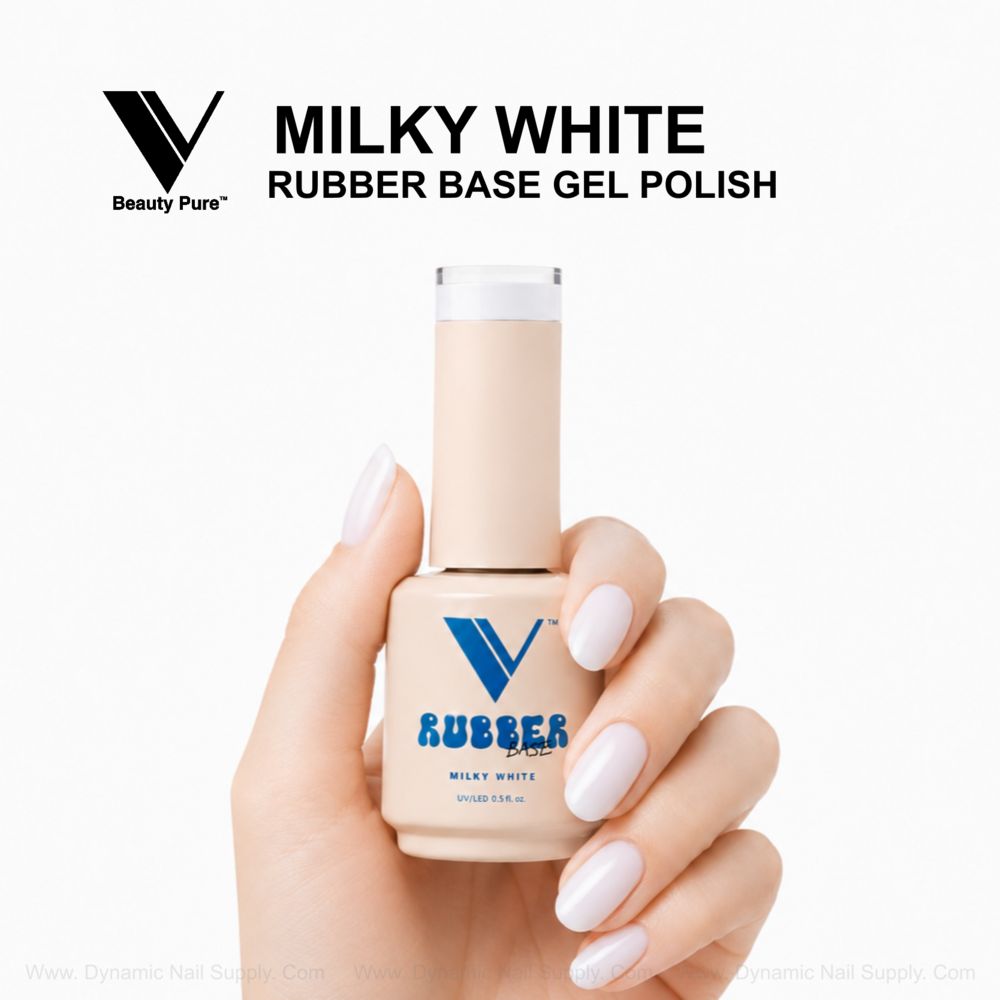
With careful prep and thin, properly cured layers, Milky White serves well through typical wear cycles for gel overlays: think multiple weeks of intact edges on natural, short-length nails before a maintenance visit. The rubber base minimizes lifting and breakage by flexing with the nail, which helps the manicure stay intact longer than a brittle overlay would.
To maximize longevity: don’t over-buff the natural nail, keep coats thin and even, fully cure each layer, and finish with a durable topcoat. When removal time comes, use the soak-off method recommended for rubber bases to avoid aggressive scraping.
How Milky White performs as a French base for soft tips
Milky White is intentionally creamy and semi-sheer, which makes it ideal for soft French tips that blend into the natural nail rather than stark white contrasts. For a muted French tip, we build a translucent smile line with a fine brush: a thin coat of Milky White across the smile line, cured, then a second pass to shape the tip and feather the edges slightly before curing again. The self-leveling quality helps the line settle so you’re not fighting brush strokes.
For a cleaner, crisper tip—keep the brush slightly loaded and use a steady hand to drag a clean edge, curing immediately after placement. Because the shade is milky rather than opaque white, the result reads soft and chic rather than theatrical.
When you need a dependable base that doubles as a translucent canvas for delicate lines, consider Milky White Rubber Base for consistent results.
How to use it as a background for fine-line stamping and beige negative space
When you need a low-contrast backdrop for fine-line stamping or subtle beige negative-space art, Milky White gives enough opacity to make thin lines readable while still letting warm skin tones peek through. Apply one thin coat, cure, then add a second thin layer if you want slightly more contrast for stamping. For negative-space work, cure a single thin layer and use fine brushes to paint beige accents directly over the cured base.
Layering and topcoat recommendations to keep gloss flawless
We recommend 1–2 thin coats of Milky White depending on how translucent you want the result. Always cure each coat fully under an LED lamp for 60 seconds. After building your design, finish with a high-shine no-wipe or wipe topcoat to lock the glossy surface and protect fine-line details. Buffing should be minimal; the product’s self-leveling nature reduces the need for aggressive shaping.
For sealing stamping, do a thin topcoat layer immediately after curing the stamped pattern to avoid smudging. For negative-space pieces, seal the entire nail with a full-coverage topcoat so edges remain crisp and the overall sheen matches the milky overlay.
Who gets the most value from this product
This is a particularly good value for students and beginner techs who want one product that both strengthens and provides a usable cosmetic finish. If you’re building a kit for soft French work, bridal sets, or minimalist art where subtlety is the goal, Milky White saves you the cost and space of carrying a separate builder plus a white polish. It’s beginner-friendly, and the forgiving consistency helps when you’re still steadying your brush control.
Safety note: avoid skin contact during application, cure fully, and follow soak-off removal steps to protect the natural nail plate.
Short FAQ
- How many coats should I use? One thin coat can be enough for a natural milky look; two thin coats give more opacity for French tips.
- Will it lift on thin nails? The flexible rubber formula is designed to reduce lifting on weak natural nails when proper prep and thin application are used.
- Can I stamp over it? Yes—apply and cure one or two thin coats, then stamp and seal with a topcoat.
- How do I remove it? Use a soak-off method appropriate for rubber base gels; avoid scraping that can damage the nail.
Who should buy: choose Milky White if you want a single product that acts as a strengthening base and a soft, glossy canvas for muted French tips and delicate line art—especially if you’re a student or beginner building a compact, efficient kit.